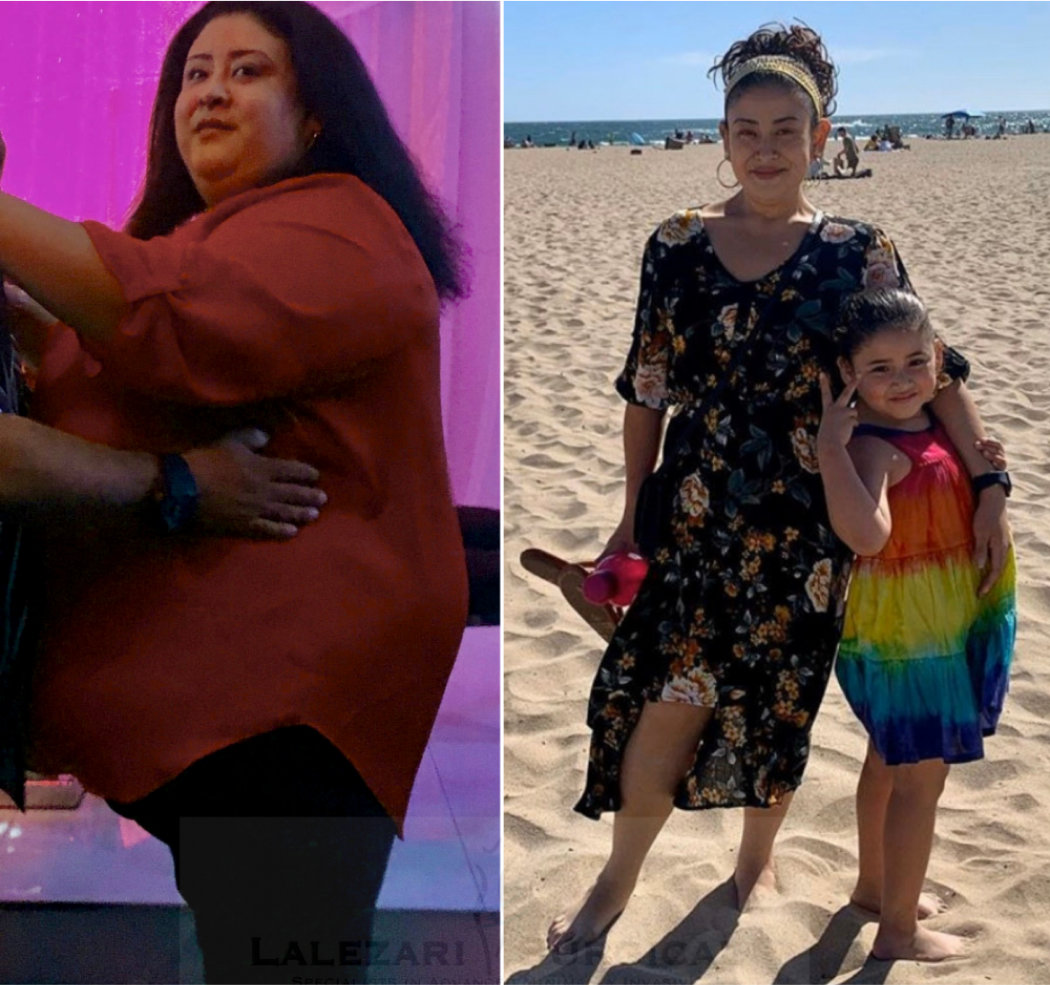

How to Talk to Your Children About Your Weight Loss Surgery: A Compassionate Guide for Los Angeles Families
Deciding to undergo weight loss surgery is a deeply personal journey that affects your entire family. If you’re a parent preparing for bariatric surgery in Los Angeles, you may be wondering how to explain this important health decision to your children. With the right approach, this conversation becomes an opportunity to model healthy choices, emotional honesty, and self-care. At Lalezari Surgical, Dr. Sepehr Lalezari understands that bariatric surgery impacts the whole family and encourages open family communication as a vital part of successful outcomes.
Children are naturally perceptive and will notice changes in your eating habits, energy levels, and body. Without an age-appropriate explanation, they may create their own narratives that could lead to confusion or worry. Being honest helps them understand you’re making this choice for your health, provides a teachable moment about self-care and medical decisions, and reinforces that you’re still the same loving parent taking steps to be healthier and more active in their lives.
Timing Your Conversation
The best time to talk to your children depends on their age and temperament. Generally, have this conversation after you’ve made your final decision but before visible changes begin. A good timeframe is 2-4 weeks before surgery—enough time for them to process and ask questions, but not so far in advance that waiting creates worry. Choose a calm, private moment with plenty of time. Avoid discussing it before bedtime or during stressful moments.
Age-Appropriate Explanations
The way you explain your weight loss surgery should be tailored to your child’s developmental stage and ability to understand medical concepts. Here’s how to approach the conversation at different ages.
Young children (ages 3-7):
Keep explanations simple and concrete. You might say something like, “Mommy/Daddy is going to have a doctor help make my tummy smaller so I can be healthier and have more energy to play with you.” Focus on the positive outcomes they can relate to, like being able to run and play more easily. Reassure them that you’ll be well taken care of by excellent doctors, and while you might be tired for a little while after, you’ll feel much better soon.
School-age children (ages 8-12):
At this age, children can understand more about health conditions and medical treatments. Explain that carrying extra weight can make it harder for your heart, joints, and other parts of your body to work properly. You might share that Dr. Lalezari will perform a surgery to help you eat smaller portions, which will help you lose weight and become healthier. Be honest about the recovery period but reassure them that you’ll have support and that the whole family will work together during this time.
Teenagers (ages 13+):
Teens can handle more detailed conversations about weight, health conditions, and the specific type of surgery you’re having. Share information about how obesity affects long-term health and quality of life. Discuss the specific procedure Dr. Lalezari will perform, whether it’s gastric sleeve, gastric bypass, or another option. Be open about the lifestyle changes the whole family might experience, and invite their input on how you can all support healthier eating habits together.
What to Say (and What Not to Say)
The language you use when discussing your weight loss surgery with your children matters tremendously. You want to frame this conversation in a way that’s honest and positive while avoiding messages that could negatively impact their own body image or relationship with food.
Do say:
- Health-Focused Language: “I’m doing this to be healthier and feel better”
- Positive Outcomes: “This will help me have more energy to do things with you”
- Medical Necessity: “My doctor says this is the best way to help my body work better”
- Family Support: “We’ll all be making healthier choices together as a family”
Avoid saying:
- Appearance-Focused: “I need to lose weight to look better” or “I don’t like how I look”
- Self-Criticism: “I’m too fat” or “I hate my body”
- Food Moralization: “I ate too much bad food” or labeling foods as good or bad
- Unrealistic Expectations: “After this surgery, everything will be perfect”
The goal is to communicate that you’re making a health decision recommended by medical professionals like Dr. Lalezari, not embarking on a quest for vanity or perfection. This distinction helps children develop healthy attitudes about bodies, food, and medical care.
Addressing Common Questions and Concerns
Your children will likely have questions about your surgery. Being prepared to answer them honestly and reassuringly helps ease their worries and demonstrates that this is a well-thought-out decision supported by medical experts.
- “Will it hurt?” Acknowledge that you might be uncomfortable for a few days after surgery, just like when they’ve had a medical procedure, but Dr. Lalezari will make sure you have medicine to help with any discomfort. Emphasize that many people who have weight loss surgery in Los Angeles with Dr. Lalezari feel much better very quickly.
- “Will you be able to take care of me?” Reassure them that you’ll still be their parent and will always take care of them. Explain that you might need their help with small things for a week or two, but you’ll have other adults helping too. Let them know when you’ll be back to your normal activities.
- “Is it because you ate too much?” Explain that weight is complicated and affected by many things including genetics, health conditions, and how our bodies work. It’s not about eating too much or being lazy—it’s about your body needing medical help to work better.
- “Will our family meals change?” Be honest that yes, some things will change, but in good ways. Explain that everyone will benefit from healthier meals, and you’ll work together as a family to find delicious, nutritious foods everyone enjoys.
- “What if something goes wrong?” Acknowledge their concern and explain that Dr. Lalezari is highly trained—he completed specialized training at Johns Hopkins Medicine and performs these surgeries regularly with excellent results. The surgery will take place at an accredited facility with a full medical team taking care of you.
Preparing Your Children for Changes After Surgery
Weight loss surgery brings changes that will affect your household. Let your children know you’ll be eating smaller portions and different foods for a while, and that family mealtimes might look a little different. Reassure them they can still enjoy their favorite foods, but you’ll all be working together to make healthier choices. Help them understand your body will change gradually—you might have less energy immediately after surgery but will eventually have much more energy than before. Be honest about your emotions too, and encourage them to talk about their feelings as well.
Involving Children in Your Journey
Involving children in age-appropriate ways helps them feel included and provides valuable lessons about health and supporting loved ones. Let them help choose healthy recipes, invite them to join walks or gentle exercises, mark milestones together in healthy ways, and allow them to cheer you on. However, avoid making children feel responsible for your success or asking them to monitor your eating. They should feel like supportive family members, not health police or caregivers.
Modeling Healthy Attitudes About Weight and Body Image
How you talk about your weight loss surgery shapes your children’s attitudes about bodies, health, and self-worth. Focus conversations on what your body can do rather than how it looks. Instead of “I’m so much thinner,” try “I can keep up with you at the park now!” Avoid making negative comments about any body. Help children understand that all bodies are different and everyone deserves respect regardless of size. Your surgery isn’t about achieving an ideal body—it’s about optimizing your personal health with medical guidance from Dr. Lalezari.
When to Seek Additional Support
Most children adjust well to a parent’s weight loss surgery, especially with open communication and reassurance. However, some children may struggle more than others and could benefit from additional support.
Watch for signs that your child might need extra help:
- Behavioral Changes: Acting out, withdrawal, or regression to younger behaviors
- Eating Issues: Suddenly becoming very picky, refusing foods, or showing unusual food anxiety
- Body Image Concerns: Making frequent negative comments about their own body
- Persistent Worry: Continuing to express anxiety about your health or the surgery weeks after your conversation
If you notice these signs, consider speaking with your child’s pediatrician or a family therapist who can help them process their feelings. The team at Lalezari Surgical understands that bariatric surgery affects the whole family and can provide resources or referrals for family support when needed.
Begin Your Health Journey with Family Support in Los Angeles
Talking to your children about weight loss surgery is an important step in your bariatric journey. With honesty, age-appropriate explanations, and a focus on health rather than appearance, you can help your children understand and support this positive change in your life. Remember that this conversation isn’t just about explaining surgery—it’s an opportunity to model self-care, medical literacy, and healthy attitudes that will benefit your children for years to come.
At Lalezari Surgical in Los Angeles, Dr. Sepehr Lalezari and his team understand that successful weight loss surgery outcomes depend on strong family support. If you’re considering bariatric surgery and want guidance on preparing your family for this journey, schedule a consultation today. Dr. Lalezari’s compassionate, patient-centered approach extends to understanding the family dynamics that make your transformation possible. Contact Lalezari Surgical to begin your journey toward better health with the support of both medical expertise and family love.
Posted on behalf of