
The decision to pursue bariatric surgery often comes with a heavy dose of anxiety. You’ve likely heard stories from well-meaning friends, read alarming headlines, or stumbled upon outdated information that made you question whether weight loss surgery is truly safe. At Lalezari Surgical in Los Angeles, Dr. Sepehr Lalezari understands these concerns intimately. After completing his bariatric and minimally invasive surgery fellowship at Johns Hopkins Medicine—one of the nation’s top medical institutions—he has dedicated his career to helping patients separate fact from fiction when it comes to life-changing weight loss procedures.
The truth is that modern bariatric surgery bears little resemblance to the procedures performed decades ago. Advances in surgical techniques, technology, and patient care have dramatically improved outcomes while reducing risks. Understanding what’s actually true about these procedures can help you make an informed decision about your health without unnecessary fear holding you back.
Fiction: Bariatric Surgery Is Extremely Dangerous
One of the most persistent myths surrounding weight loss surgery is that it carries extreme risks. While any surgical procedure involves some level of risk, the reality is that bariatric surgery has become remarkably safe when performed by experienced surgeons using modern techniques.
Studies published in medical journals consistently show that the mortality rate for bariatric procedures is approximately 0.1 to 0.5 percent—comparable to common surgeries like gallbladder removal or hip replacement. Dr. Lalezari utilizes minimally invasive approaches including robotic and laparoscopic techniques, which result in smaller incisions, reduced blood loss, less post-operative pain, and faster recovery times compared to traditional open surgery.
The risks of remaining severely obese actually far exceed the risks of bariatric surgery for most patients. Untreated obesity significantly increases your chances of developing type 2 diabetes, heart disease, stroke, sleep apnea, certain cancers, and joint problems—conditions that can shorten your lifespan by years or even decades.
Fiction: You’ll Never Be Able to Eat Normal Food Again
Many people fear that bariatric surgery means saying goodbye to enjoyable meals forever. This simply isn’t accurate. While your eating habits will change—and need to change for successful long-term results—patients do return to eating a wide variety of foods after their recovery period.
The initial weeks following surgery involve a progression through liquid and soft foods while your digestive system heals. However, most patients eventually enjoy proteins, vegetables, fruits, and even occasional treats. The difference is that you’ll eat smaller portions and make more mindful choices about nutrition.
Lalezari Surgical’s registered dietitian, Jalene Lowthorp, MS, RD, works closely with patients throughout their journey to help them develop sustainable eating patterns that support weight loss while still allowing for satisfying, flavorful meals. The goal isn’t deprivation—it’s learning a healthier relationship with food.
Fiction: The Weight Will Just Come Back Anyway
Critics sometimes claim that bariatric surgery provides only temporary results and that patients inevitably regain all their lost weight. Research tells a different story. Long-term studies tracking patients for ten years or more demonstrate that the majority maintain significant weight loss when they commit to the necessary lifestyle changes.
Success rates vary by procedure type:
- Gastric Sleeve: Patients typically maintain 50 to 60 percent of their excess weight loss long-term
- Gastric Bypass: Long-term maintenance often reaches 60 to 70 percent of excess weight loss
- Duodenal Switch: This procedure shows the highest long-term weight loss maintenance, often exceeding 70 percent
The key factor in maintaining results isn’t the surgery itself—it’s the patient’s commitment to following nutritional guidelines, staying physically active, and attending follow-up appointments. Dr. Lalezari emphasizes that bariatric surgery is a powerful tool, but it works best when patients view it as the beginning of a lifestyle transformation rather than a quick fix.
Fiction: Bariatric Surgery Is the “Easy Way Out”
Perhaps no myth frustrates bariatric patients more than the accusation that they’re taking shortcuts. Anyone who has undergone weight loss surgery will tell you there’s nothing easy about it. The decision requires extensive medical evaluation, psychological assessment, nutritional counseling, and often months of preparation before surgery is even scheduled.
Post-surgery life demands discipline, commitment, and significant lifestyle changes. Patients must carefully monitor their protein intake, take daily vitamin supplements, attend regular follow-up appointments, and develop consistent exercise habits. Many also work through complex emotional relationships with food that contributed to their weight struggles in the first place.
What bariatric surgery does provide is a physiological advantage that makes weight loss achievable for people whose bodies have resisted other methods. Obesity is increasingly recognized as a complex metabolic disease influenced by genetics, hormones, and brain chemistry—not simply a matter of willpower. Surgery addresses these underlying factors in ways that diet and exercise alone often cannot.
Fiction: You Have to Be Extremely Obese to Qualify
While bariatric surgery was once reserved only for patients with very high BMIs, guidelines have evolved as research demonstrates benefits for a broader population. Current criteria typically include:
- BMI of 40 or higher: Qualifies without additional health conditions
- BMI of 35 to 39.9: Qualifies with obesity-related health conditions such as diabetes, high blood pressure, or sleep apnea
- BMI of 30 to 34.9: May qualify for certain procedures with metabolic conditions, particularly type 2 diabetes
Additionally, non-surgical options like endoscopic sleeve gastroplasty and gastric balloons offer alternatives for patients who don’t meet traditional surgical criteria but still struggle with significant weight-related health issues. During your consultation at Lalezari Surgical, Dr. Lalezari evaluates your complete health picture to recommend the most appropriate approach for your individual situation.
Fiction: Recovery Takes Months and Is Extremely Painful
Thanks to minimally invasive surgical techniques, recovery from bariatric surgery is far less arduous than many people imagine. Most patients spend just one to two nights in the hospital following procedures like gastric sleeve or gastric bypass. Many return to desk jobs within one to two weeks, with full activity resuming in four to six weeks.
Post-operative discomfort is typically managed effectively with medication during the first few days. Patients often describe the sensation as soreness rather than severe pain. The small incisions used in laparoscopic and robotic surgery—sometimes as few as five tiny cuts—heal quickly and leave minimal scarring.
Dr. Lalezari’s training at Johns Hopkins included mastering single-site surgery and other advanced techniques specifically designed to minimize patient discomfort and accelerate recovery. His approach prioritizes getting you back to your life as quickly and safely as possible.
Fiction: Bariatric Surgery Causes Severe Nutritional Deficiencies
Concerns about nutritional deficiencies after weight loss surgery are understandable but manageable with proper care. Yes, certain procedures affect how your body absorbs nutrients, which is why vitamin and mineral supplementation becomes a lifelong commitment. However, this doesn’t mean you’ll suffer from malnutrition.
With appropriate supplementation and regular monitoring through blood tests, the vast majority of bariatric patients maintain healthy nutritional status. The supplements required typically include a daily multivitamin, calcium with vitamin D, vitamin B12, and iron for some patients. These are readily available and easily incorporated into daily routines.
Working with Lalezari Surgical’s nutrition team ensures you understand exactly what supplements you need and how to optimize your diet for both weight loss and overall health. Nutritional deficiencies are preventable complications, not inevitable consequences.
Fiction: You’ll Have Loose, Saggy Skin That Looks Terrible
Excess skin after significant weight loss is a legitimate consideration, but it shouldn’t prevent you from pursuing better health. The degree of loose skin varies considerably based on factors including age, genetics, how much weight you lose, and how quickly you lose it.
Many patients find that their skin gradually tightens over the one to two years following surgery, especially when they incorporate strength training into their exercise routine. For those who do develop bothersome excess skin, body contouring procedures are available after weight has stabilized.
Most importantly, patients consistently report that even with some loose skin, they feel dramatically better about their bodies after losing significant weight. The ability to move freely, wear clothes they love, and participate in activities they’d avoided far outweighs cosmetic concerns for the overwhelming majority of post-bariatric patients.
The Facts About Transformation
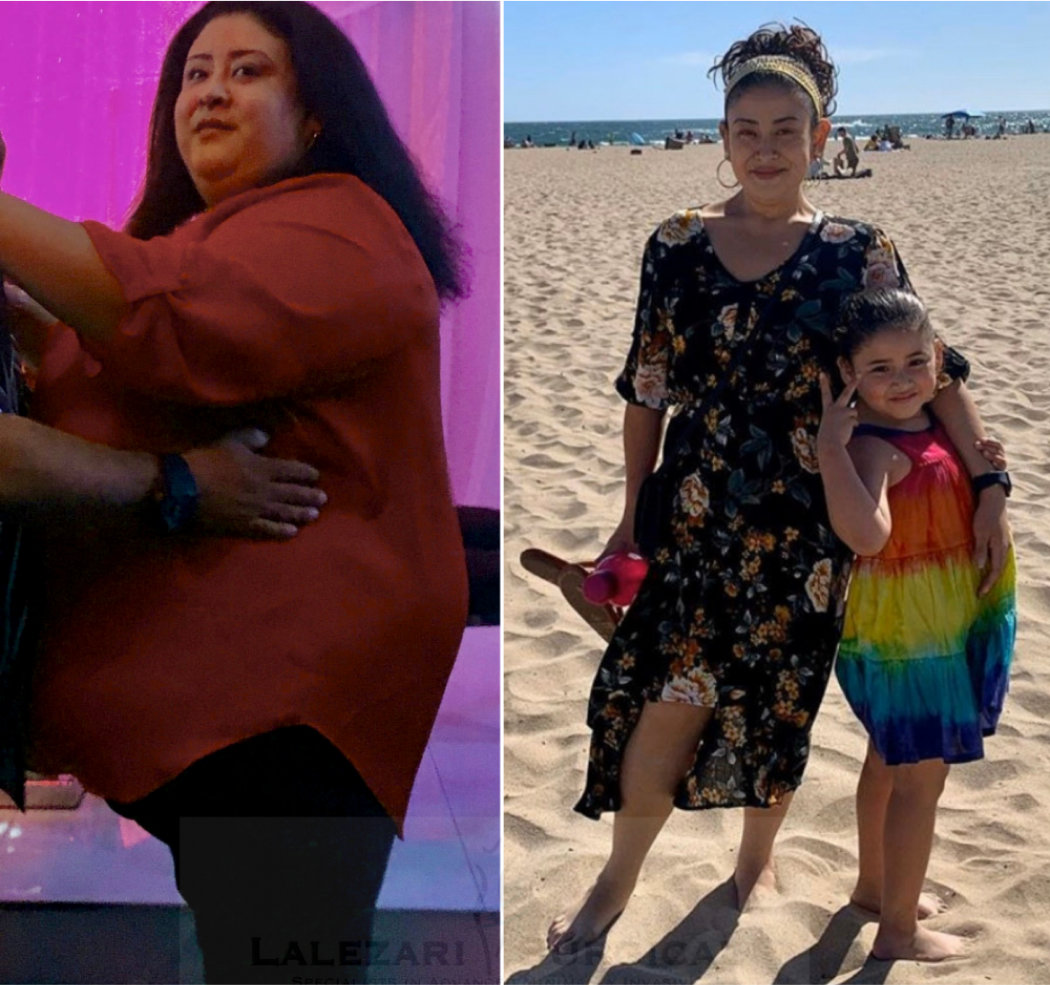
Dr. Lalezari’s favorite part of practicing bariatric surgery isn’t the technical aspects of the procedures—it’s witnessing the transformations in his patients’ lives. He sees people who struggled for years with weight-related health problems reduce or eliminate their medications. He watches patients discover activities they never thought possible, from hiking local trails to playing with their children without exhaustion.
The relationships that develop between Dr. Lalezari and his patients reflect his original inspiration for entering medicine: the family doctor who knew him personally and guided his health throughout childhood. This connection, combined with his world-class training, creates an environment where patients receive both cutting-edge surgical care and genuine personal support.
Take the First Step Toward Your Health Goals
Fear based on misinformation shouldn’t stand between you and a healthier future. At Lalezari Surgical, every patient receives a thorough evaluation and honest conversation about whether bariatric surgery is appropriate for their situation. Dr. Lalezari and his team take time to address your specific concerns, answer your questions, and help you understand exactly what to expect.
If you’ve been considering weight loss surgery but anxiety has held you back, schedule a consultation to get the facts directly from a Johns Hopkins-trained bariatric surgeon. Contact Lalezari Surgical at (213) 545-1656 or visit our Los Angeles office at 1245 Wilshire Blvd., Suite 907, to begin your journey toward lasting weight loss and improved health.
Posted on behalf of